
1. Define the package before comparing quotations.
Start with the building type, room schedule and categories required. Separate supply responsibilities from design, installation and destination handling. For phased projects, identify which packages must arrive together and which can be purchased later.
- Create item references that remain consistent across drawings, quotations and packing lists.
- List quantities, materials, dimensions, finishes and performance requirements.
- State exclusions and provisional items explicitly rather than hiding them in a total price.
2. Compare the same specification and delivery scope.
A lower headline amount may reflect a different finish, hardware set, quantity or delivery responsibility. Compare quotations line by line and ask for assumptions to be recorded. Keep product costs separate from any agreed design, inspection, packing and logistics charges.
| Checkpoint | What to compare |
|---|---|
| Product | Material grade, dimensions, finish, hardware and included accessories |
| Quantity | Room counts, repeated types and agreed spare items |
| Approval | Sample references and drawing revision used for the offer |
| Responsibilities | Design, supply, installation, destination handling and exclusions |
| Timing | Approval dependencies, production sequence and proposed shipment stages |
3. Approve samples and drawings before production.
Keep the selected sample reference, approved shop drawing and item schedule together. Identify who is authorized to approve dimensions, appearance and substitutions. For repeated rooms, an agreed sample or mock-up can help resolve coordination issues before the full quantity is produced.
- Confirm site measurements and interface details with the appointed project team.
- Record accepted finish variations where natural materials are involved.
- Review changes for their effect on related cabinetry, appliances, lighting and site work.
4. Define what inspection will check.
Inspection should refer to the approved specification and an agreed inspection scope. Discuss what will be measured, photographed or functionally checked, how findings will be recorded, and how corrective actions will be closed before packing. Inspection does not replace destination-specific technical approval.
- Connect inspection records to item and room references.
- Identify any required documents or tests during sourcing, before ordering.
- Record outstanding issues and who authorizes release after correction.
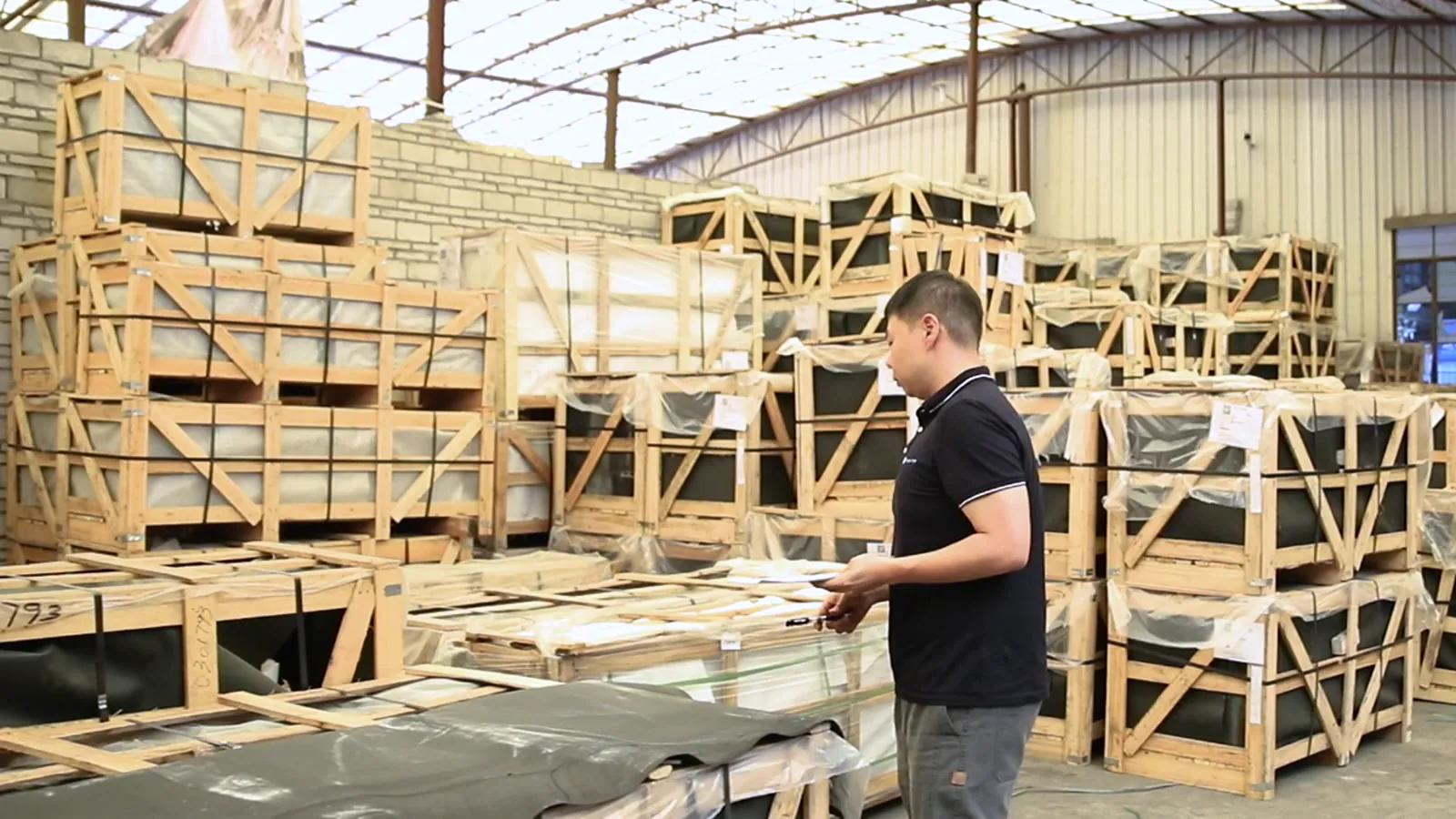
5. Plan consolidation around installation priorities.
Multi-category products may be ready at different times. Confirm receiving references, expected quantities, grouping and storage arrangements with the warehouse team. Consolidation is most useful when the receiving and installation teams can identify each package.
- Agree labels by building, floor, room or product group.
- Coordinate protective packing for fragile and finished surfaces.
- Check package dimensions and weights when planning handling and loading.
- Keep a packing list that matches the package marks.
6. Confirm the shipment handover and destination responsibilities.
Before booking, confirm the actual cargo, route, delivery scope and documents with the logistics team. The destination project team should identify its receiving contact, unloading arrangements and local clearance responsibilities. Route availability, charges and timing need confirmation for the actual shipment.
- Reconcile commercial documents and packing references against the final order.
- Agree how shipment updates and document revisions will be shared.
- Arrange receipt checks and report discrepancies using package references and photographs.
Keep a decision register, not just a message history.
A short register can record the item reference, open decision, responsible person, due date and approved revision. Use it alongside drawings and samples so a late change does not silently reach production. George Group's sourcing, quality, warehouse and logistics services can be discussed as part of a defined project scope.
- Design gate: the scope and project requirements are clear.
- Production gate: drawings, dimensions, finishes and quantities are approved.
- Shipment gate: inspections, packing references and delivery arrangements are agreed.